
Men’s Baseball Style Shirts: Fit, Fabric, and Team Use
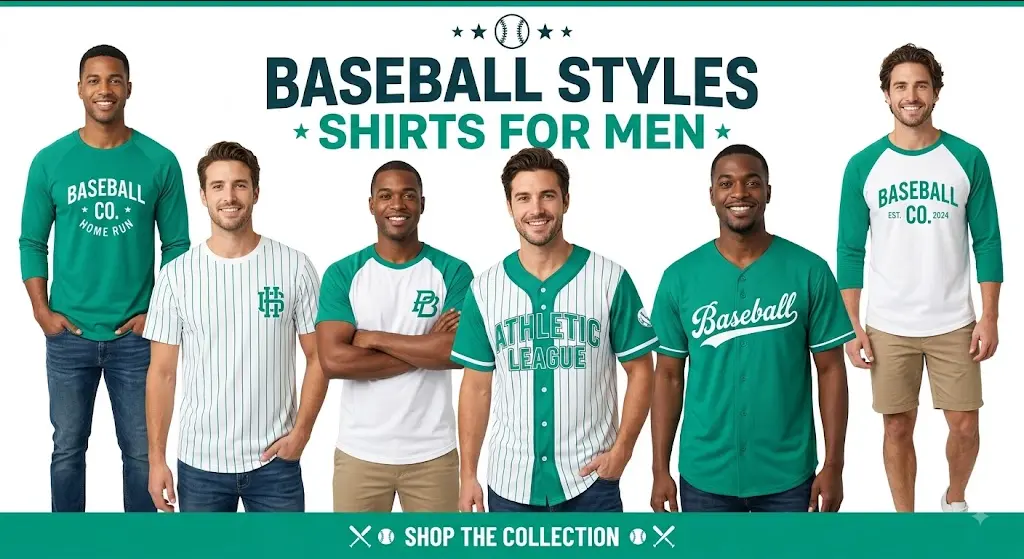
A baseball-style shirt usually starts with a raglan sleeve, but the better buying decision comes from fit, fabric, sleeve length, and how the shirt will be used.
A shirt for fans, coaches, staff, or fundraising should not be treated the same as a game jersey.
Recognize the raglan shape
Raglan sleeves run diagonally from the collar toward the underarm. Contrast sleeves create the classic baseball tee look.
Three-quarter sleeves feel traditional, while short sleeves can feel more casual and modern.
A baseball-style shirt is defined by shape as much as decoration. Raglan sleeves create the classic contrast look, but the body fit, sleeve length, neck trim, and fabric weight decide whether people actually wear it. A shirt made only for a photo may look fine once. A shirt made for comfort can become regular team gear.
When check raglan seams connects with shirt type, the player gets a clearer feel for whether this fix is ready. The shirt type decision should not create doubt once the player leaves the house. If shirt type still feels uncertain during warmups, pause the change and make one cleaner adjustment before game speed.
Choose fabric by purpose
Cotton blends are comfortable for everyday wear. Polyester blends handle activity and moisture better.
If the shirt is for coaches or warmups, performance fabric may make more sense than a soft casual tee.
Fabric choice should match the use. Cotton feels familiar for casual wear, blends can hold shape better, and performance fabrics handle sweat during cages, coaching, or warmups. For custom orders, ask whether the shirt is meant for fans, coaches, players, or a team store. That answer changes sizing, decoration method, and price expectations.
Use keep logos readable as the parent or coach check before the player leaves for the field. For raglan tee, a neat result matters less than durability through sweat, dirt, handling, and movement. If raglan tee fails after one practice, revisit the material, size, or method instead of repeating the same quick fix.
Keep this short checklist nearby:
- Check raglan seams
- Choose sleeve length
- Pick fabric by use
- Keep logos readable
- Plan reorders
See Our Full Baseball Clothing Line Designed with Sublimation Printing.
Keep the design clean
The baseball look already has color contrast. Too many logos, outlines, and sleeve details can make the shirt busy.
For custom orders, scale the logo to the chest area and check how it looks on smaller sizes.
Design needs restraint. Big chest graphics can work, but sleeve contrast already adds visual interest. Keep names, mascots, numbers, and sponsor marks readable from normal distance. If the shirt is for a baseball parent group, avoid designs that look too close to the actual uniform unless that is the intention. Clear hierarchy makes the product feel more professional.
The performance tee choice turns a vague preference into a practical baseball decision. Match performance tee to the player’s age, position, weather, schedule, and care routine. If performance tee creates extra work before every game, the cleaner-looking option may still be the wrong one for a busy season.
Use this comparison before making the final call:
| Choice | Why it matters | Best use |
| Shirt type | Best use | Design note |
| Raglan tee | Casual fanwear | Contrast sleeves |
| Performance tee | Coaches and staff | Moisture control |
| Henley | Lifestyle style | Button detail |
| Game jersey | On-field identity | Numbers and roster |
Separate fanwear from teamwear
Fan shirts can be softer and more relaxed. Team staff shirts may need stronger fabric, consistent color, and easier reorders.
A clear use case keeps the order from becoming a compromise that satisfies nobody.
Fit samples help prevent order problems. Men’s sizing can vary across brands, especially through the shoulders, chest, and sleeve opening. Before a full custom run, compare one sample on different body types and check shrinkage or stretch after washing. A good baseball-style shirt should feel relaxed without looking sloppy.
After checking henley, pack or store the item in the same condition the player expects next time. Keep henley away from damp laundry, rubbing accessories, and untested last-minute changes. With keep logos readable handled early, the player can focus on baseball instead of equipment noise.
Pro tip: Decide who will wear the shirt before designing it. A fan tee and staff shirt solve different problems.
A baseball-style shirt should be wearable beyond one photo. Raglan shape, fabric weight, shrinkage, sleeve contrast, decoration placement, and audience all affect whether buyers keep reaching for it. Fans, coaches, parents, and team-store shoppers may need different fits. Samples help confirm the shirt looks clean and feels comfortable after washing.
For larger custom orders, organize sizes by wearer group before collecting payment. Coaches may prefer a looser fit, players may want a more athletic shape, and parents may choose comfort over trend. A simple size chart and sample photo reduce exchanges and make the final shirt order look more professional.
Decoration placement should be checked on every size, not only the sample medium. A chest logo that looks balanced on one shirt can sit too low or too wide on another. Better mockups make the final order feel intentional.
For reorder seasons, save the garment brand, fabric blend, decoration size, and color codes so the next batch matches.
Conclusion
A strong baseball-style shirt balances raglan shape, fabric, fit, and logo control. Choose the garment by use case first, then build the design around team colors and readability. That keeps custom shirts wearable.
FAQs
What makes a shirt baseball style?
Raglan sleeves and contrast color blocking are common features.
Are baseball tees good for teams?
Yes, especially for fanwear, coaches, and team stores.
What fabric is best?
Cotton blends feel casual; polyester blends work better for activity.