
How to Get Baseball Pants White Again After Dirt and Grass
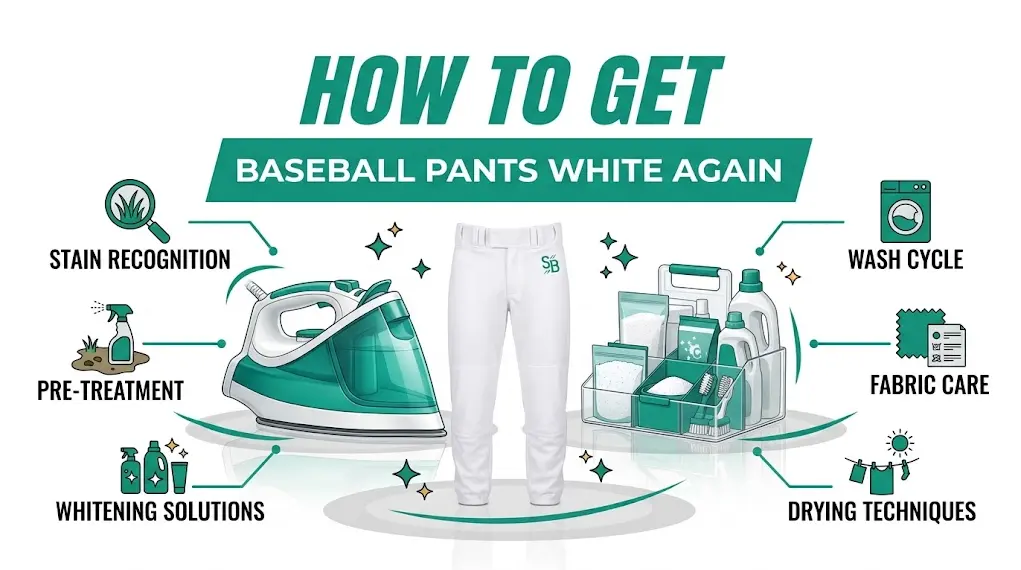
White baseball pants take abuse from clay, grass, sweat, and repeated slides. The key is to treat stains before the dryer locks them in.
Do not use one cleaner for every stain. Grass, red dirt, and sweat each need a slightly different approach.
Brush off dry dirt first
Loose dirt should come off before soaking. If you throw muddy pants straight into water, the soil spreads through the fabric.
Let heavy clay dry enough to brush, then pretreat the remaining marks.
White pants need quick attention because dirt, clay, and grass set differently. Brush off dry dirt before wetting the fabric, then treat visible stains by type. Red clay may need soaking, grass needs pretreatment, and general dinginess often improves with a longer wash routine. Throwing everything straight into hot water can lock in the stain you wanted to remove.
When brush dry clay first connects with stain, the player gets a clearer feel for whether this fix is ready. The stain decision should not create doubt once the player leaves the house. If stain still feels uncertain during warmups, pause the change and make one cleaner adjustment before game speed.
Use the right treatment for the stain
Grass responds well to enzyme stain remover. Clay and dirt often need detergent or dish soap worked into the fabric.
Scrub gently with a soft brush. Harsh scrubbing can rough up fabric and trim.
Check the fabric label before using strong cleaners. Many baseball pants include stretch fibers, piping, or colored stripes that react badly to harsh bleach. Test a hidden area if you are unsure, especially on expensive team pants. When in doubt, use oxygen-based soaking and targeted pretreatment before moving to stronger options.
Use check spandex content as the parent or coach check before the player leaves for the field. For grass, a neat result matters less than durability through sweat, dirt, handling, and movement. If grass fails after one practice, revisit the material, size, or method instead of repeating the same quick fix.
Keep this short checklist nearby:
- Brush dry clay first
- Pretreat grass quickly
- Use detergent on dirt
- Check spandex content
- Hang dry before final inspection
See Our Special Made Baseball Uniform Printed Through Sublimation.
Check fabric before using bleach
Many baseball pants contain polyester blends or spandex. Chlorine bleach can damage spandex and may affect colored stripes.
If the pants have piping or side stripes, test for colorfastness before whitening aggressively.
The dryer is the point of no return. Heat can set stains and make gray marks harder to remove later. After washing, inspect the knees, seat, cuffs, and belt loops in good light. If stains remain, repeat pretreatment while the pants are still damp. Air drying buys you another chance; dryer heat takes that chance away.
The clay choice turns a vague preference into a practical baseball decision. Match clay to the player’s age, position, weather, schedule, and care routine. If clay creates extra work before every game, the cleaner-looking option may still be the wrong one for a busy season.
Use this comparison before making the final call:
| Choice | Why it matters | Best use |
| Stain | First move | Avoid |
| Grass | Enzyme pretreat | Waiting days |
| Clay | Brush and detergent | Hot dryer |
| Sweat | Soak and wash | Fabric softener buildup |
| Colored stripe | Color test | Blind bleaching |
Do not dry until stains are gone
Heat can set stains that might have come out with one more pretreat cycle. Inspect pants before they go into the dryer.
Hang drying is safer when you are not sure the stain is fully gone.
For tournament weekends, build a simple rotation. Rinse heavy mud as soon as possible, pack stain remover, and keep dirty pants separate from clean jerseys. Teams that wear white should also teach players to empty pockets before washing. Sunflower seeds, gum wrappers, and clay-covered batting gloves can undo an otherwise careful laundry routine.
After checking sweat, pack or store the item in the same condition the player expects next time. Keep sweat away from damp laundry, rubbing accessories, and untested last-minute changes. With check spandex content handled early, the player can focus on baseball instead of equipment noise.
Pro tip: The dryer is the danger point. If you still see a shadow, pretreat again before using heat.
Cleaning white pants works better when stains are treated separately. Clay, grass, gray buildup, colored stripes, and stretch fibers all need different levels of care. Tournament families should pack stain remover, separate dirty pants from clean jerseys, and inspect fabric before dryer heat. That routine keeps white uniforms sharp without punishing the material.
Parents can make cleaning easier by treating uniforms the same day they are worn. Letting clay dry for a short time can make brushing easier, but leaving stains for several days usually makes the wash harder. Keep a small laundry kit with a brush, pretreat product, and mesh bag so game-night cleanup does not become guesswork.
For a team manager, the best cleaning plan is shared before the first white-uniform game. Parents should know whether bleach is allowed, how stripes should be protected, and when uniforms must be air dried. Clear expectations keep one player’s pants from aging faster than the rest of the roster.
Conclusion
White pants stay cleaner when stains are handled early and safely. Brush dirt, pretreat by stain type, protect spandex and stripes, and avoid dryer heat until the fabric looks clean. That routine saves uniforms.
FAQs
Can bleach be used on baseball pants?
Only when the fabric and trim are safe for it. Spandex and colored stripes need caution.
What removes red dirt?
Brush first, then use detergent or a stain remover before washing.
Should pants be washed right after games?
Yes. Faster treatment usually means better results.