
How to Grip a Baseball Bat Properly for Better Control
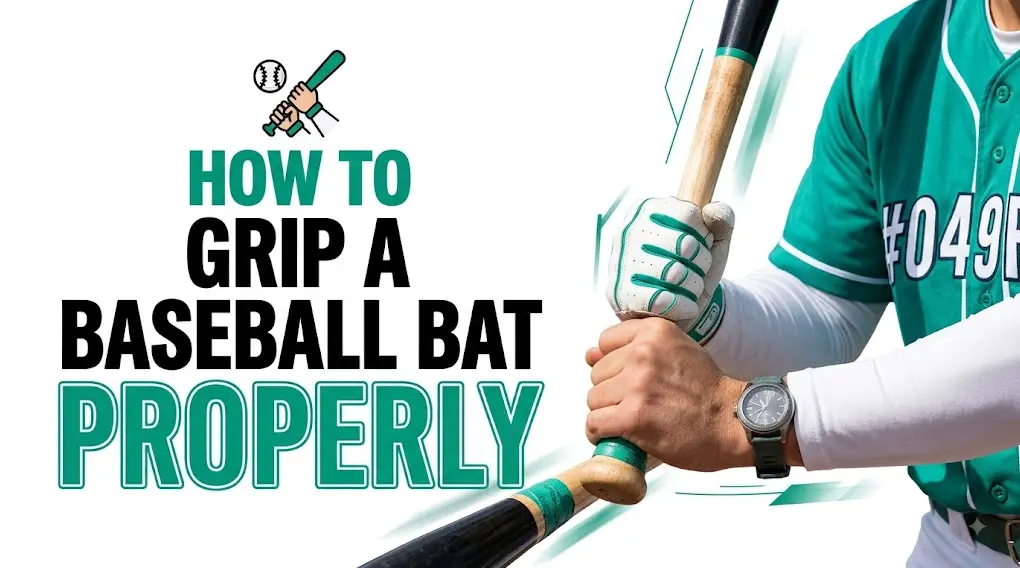
A good bat grip is firm enough to control the barrel and relaxed enough to let the hands work. Many hitters lose speed because they squeeze too early.
Grip is not only where the hands go. It also affects wrist freedom, timing, bat feedback, and comfort through contact.
Hold the handle in the fingers
The bat should sit closer to the fingers than deep in the palms. That gives the wrists more freedom through the swing.
A palm-heavy grip can make the barrel feel slow and the swing feel locked.
Good hand position begins in the fingers, not deep in the palm. When the bat sits too far back, the swing often gets tight and slow. A finger-based hold lets the wrists move and helps the barrel get through the zone. Have the player pick up the bat, relax the shoulders, and check whether the handle can move slightly without feeling loose.
When keep the bat in the fingers connects with problem, the player gets a clearer feel for whether this fix is ready. The problem decision should not create doubt once the player leaves the house. If problem still feels uncertain during warmups, pause the change and make one cleaner adjustment before game speed.
Stay loose before launch
Players often squeeze the bat while waiting for the pitch. That tension can slow the first move.
Think relaxed before the pitch, firm through contact. The hands should respond, not freeze.
Knuckle alignment is a guide, not a law. Some players line up the knocking knuckles; others settle slightly offset depending on strength, bat size, and comfort. The important part is avoiding a locked top hand that rolls early or a bottom hand that squeezes before the pitch. Tension should rise as the swing starts, not while the hitter is waiting.
Use check grip thickness as the parent or coach check before the player leaves for the field. For grip too deep, a neat result matters less than durability through sweat, dirt, handling, and movement. If grip too deep fails after one practice, revisit the material, size, or method instead of repeating the same quick fix.
Keep this short checklist nearby:
- Keep the bat in the fingers
- Relax before the pitch
- Firm up through contact
- Check grip thickness
- Test with tee work
Our Sublimated Baseball Uniform Line Needs Your Exploration.
Use grip thickness to solve comfort issues
A thin handle gives more feedback. A thicker wrap adds cushion. Neither is automatically better.
If a player complains about sting or slipping, check the grip before changing the swing.
Grip pressure changes with the count and the pitch plan. A player trying to drive the ball may hold the bat differently than a player protecting with two strikes. Tee work is useful here because the hitter can feel the difference without chasing velocity. If the barrel drags or the hands cast away from the body, grip pressure is one of the first things to review.
The too much tension choice turns a vague preference into a practical baseball decision. Match too much tension to the player’s age, position, weather, schedule, and care routine. If too much tension creates extra work before every game, the cleaner-looking option may still be the wrong one for a busy season.
Use this comparison before making the final call:
| Choice | Why it matters | Best use |
| Problem | What it causes | Adjustment |
| Grip too deep | Restricted wrists | Move handle toward fingers |
| Too much tension | Slow launch | Relax pre-pitch |
| Thin grip | More feedback | Use if comfortable |
| Thick grip | More cushion | Use for sting |
Test grip during real swings
Dry swings help, but contact tells the truth. Tee work and front toss show whether the player can repeat the hold.
If the hands slide or the bat twists, adjust the setup before adding more power drills.
Batting gloves, tape thickness, and handle shape all affect the final feel. A player who grips well with bare hands may squeeze differently with slick gloves or a worn handle. Check the complete setup before blaming mechanics. Better control comes from matching equipment feel with a relaxed, repeatable hand position.
After checking thin grip, pack or store the item in the same condition the player expects next time. Keep thin grip away from damp laundry, rubbing accessories, and untested last-minute changes. With check grip thickness handled early, the player can focus on baseball instead of equipment noise.
Pro tip: When a hitter is late, check hand tension before rebuilding the swing. The fix may be simpler than it looks.
Hitters already hear too many cues, so keep grip checks simple. The bat should sit in the fingers, the hands should stay relaxed before launch, and the player should be able to adjust to pitch location. Tee work, front toss, and live swings can each confirm whether the grip is helping control or creating extra tension.
A good grip check also helps coaches separate equipment feel from swing mechanics. If the handle is too slick, too thick, or buried in the palm, the hitter may look late even when timing is not the real issue. Fix the hand setup first, then judge the swing. That order saves cage time and keeps instruction from becoming confusing.
Conclusion
A useful bat grip balances control and freedom. Hold the handle in the fingers, stay relaxed before the pitch, and choose grip thickness by feel. Better hand control makes swing adjustments easier to repeat.
FAQs
Should knuckles line up exactly?
They should be close enough to keep the wrists free, but comfort matters too.
How tight should the grip be?
Loose before launch, firmer through contact.
Can grip tape improve control?
Yes, especially if the handle is slick, too thin, or uncomfortable.