
How to Get Good at Baseball With a Focused Practice Routine
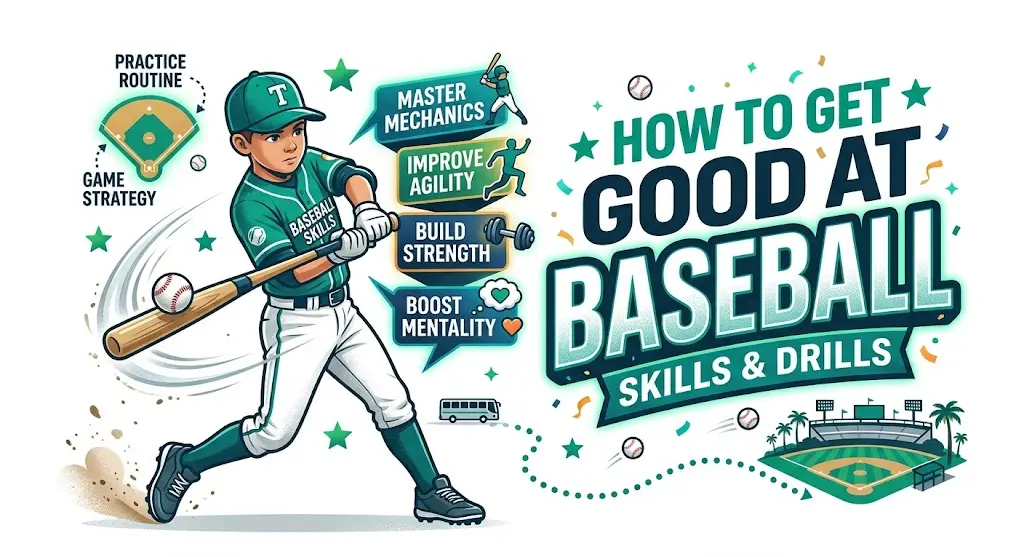
Getting better at baseball is not about chasing every drill online. It is about repeating the right basics often enough that they show up in games.
A simple weekly routine beats random work. Throw, catch, field, hit, run, and review one goal at a time.
Start with intentional catch
Catch is not just warmup. It builds throwing accuracy, receiving rhythm, footwork, and confidence.
Use a target. Move the feet. Finish throws. Those small habits carry into every position.
Improvement starts with a narrow focus. A player cannot fix hitting, throwing, fielding, speed, and confidence all in one afternoon. Pick one skill for the week and define what better looks like. For throwing, that might mean accurate chest-high throws. For hitting, it might mean better pitch decisions. Clear goals make practice less random.
When play catch with a target connects with skill, the player gets a clearer feel for whether this fix is ready. The skill decision should not create doubt once the player leaves the house. If skill still feels uncertain during warmups, pause the change and make one cleaner adjustment before game speed.
Practice fielding with the feet
A good glove helps, but the feet put the body in position. Ground balls should include approach angle, balance, and throwing setup.
Do not rush to hard plays before routine plays are clean.
Catch is the foundation most players rush through. Good catch builds footwork, arm path, receiving feel, and communication. Start close, move back only when throws stay accurate, and finish with a few game-speed exchanges. A sloppy catch routine teaches sloppy habits, while an intentional one can improve several skills at once.
Use practice short sprints as the parent or coach check before the player leaves for the field. For throwing, a neat result matters less than durability through sweat, dirt, handling, and movement. If throwing fails after one practice, revisit the material, size, or method instead of repeating the same quick fix.
Keep this short checklist nearby:
- Play catch with a target
- Field with footwork goals
- Use tee work for barrel path
- Practice short sprints
- Track one weekly focus
Don’t Forget To See Our Custom Designed Baseball Uniform Line.
Train hitting decisions
Tee work builds barrel path, but players also need timing and pitch recognition. Front toss and controlled live looks help bridge the gap.
Track one hitting focus at a time, such as balance, contact point, or swing decision.
Hitting practice should include decisions, not only swings. Tee work builds path, front toss builds timing, and live batting practice tests pitch recognition. Players who swing at everything in practice often chase too much in games. Add takes, counts, and target zones so the hitter learns when to attack.
The fielding choice turns a vague preference into a practical baseball decision. Match fielding to the player’s age, position, weather, schedule, and care routine. If fielding creates extra work before every game, the cleaner-looking option may still be the wrong one for a busy season.
Use this comparison before making the final call:
| Choice | Why it matters | Best use |
| Skill | Practice focus | Simple drill |
| Throwing | Accuracy | Target catch |
| Fielding | Footwork | Routine grounders |
| Hitting | Barrel control | Tee work |
| Running | First step | Short sprints |
Use short movement work
Baseball speed is mostly short bursts, first steps, turns, and quick reactions. Long runs do not replace baseball movement.
Add short sprints, base turns, and lateral work without overloading young players.
Progress also depends on recovery and attitude. Sore arms, tired legs, and frustrated minds do not learn well. Short, consistent practice beats occasional marathon sessions for most youth players. Track small wins: cleaner throws, braver at-bats, better routes, or smarter baserunning. Confidence grows when players can see proof that work is changing their game.
After checking hitting, pack or store the item in the same condition the player expects next time. Keep hitting away from damp laundry, rubbing accessories, and untested last-minute changes. With practice short sprints handled early, the player can focus on baseball instead of equipment noise.
Pro tip: A player improves faster when the week has one clear focus. Too many corrections at once become noise.
Better players usually have clearer weekly habits. One focus, intentional catch, decision-based hitting, short movement work, and small progress notes beat a random pile of drills. Parents can help by tracking visible wins: firmer throws, cleaner routes, better takes, or braver swings. Confidence grows when work produces proof.
Coaches can keep improvement fun by measuring effort and execution, not only results. A hard-hit out, a correct cutoff throw, or a better first step may show progress even when the box score does not. Players who notice those small wins are more likely to keep practicing when baseball feels difficult.
Video can help when it is used sparingly. A short clip of throwing, fielding, or swinging may reveal one useful cue, but constant filming can overwhelm young players. Pick one correction, practice it, and move on.
A notebook, phone note, or simple practice chart can keep those weekly goals visible without making training feel complicated.
Conclusion
Baseball improvement comes from repeatable habits. Play catch with intent, field with the feet, train hitting decisions, and build short movement. Keep the focus simple enough that the player can repeat it all week.
FAQs
How often should players practice?
Short focused sessions several times a week can work well.
What should beginners learn first?
Throwing, catching, balanced hitting setup, fielding posture, and base running basics.
Do players need private lessons?
Not always. Good routines and feedback matter most.