
Weight of a Baseball Hat: Why Fit Matters More Than Ounces
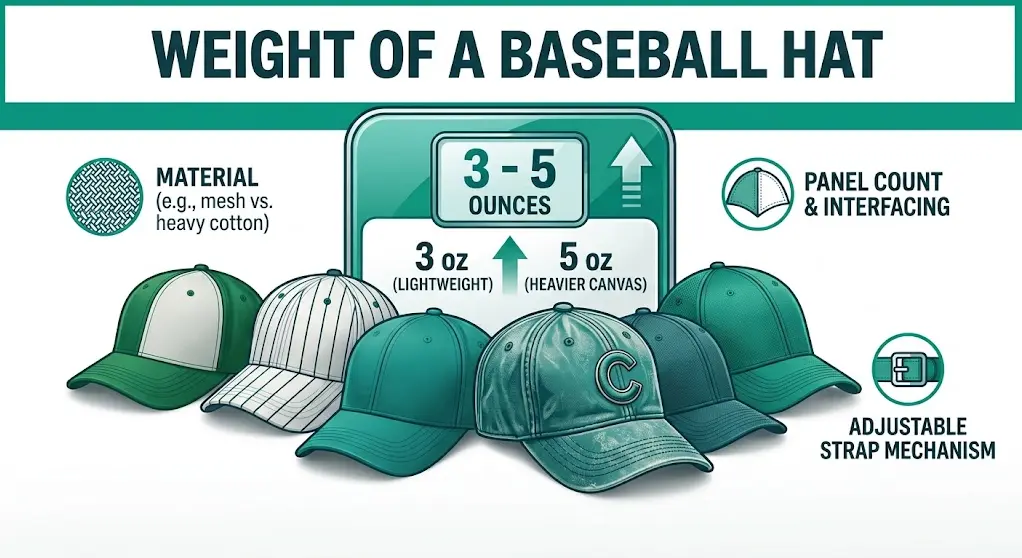
Most people notice how a cap feels before they notice what it weighs. Crown structure, closure, visor shape, sweatband, and embroidery all change comfort.
If you are ordering team caps, sample the fit before obsessing over a tiny weight difference.
Structure changes the feel
A structured cap feels firmer because the crown holds shape. An unstructured cap feels softer and more relaxed.
Neither is automatically better. The right choice depends on the team-store look and daily wear.
Most players will not notice the exact ounce difference between caps as much as they notice crown shape and sweatband feel. Structured caps feel more upright, unstructured caps sit softer, and adjustable closures change pressure at the back. A hat that is technically light can still feel uncomfortable if the crown is too tall or the band rubs.
When compare crown structure connects with cap type, the player gets a clearer feel for whether this fix is ready. The cap type decision should not create doubt once the player leaves the house. If cap type still feels uncertain during warmups, pause the change and make one cleaner adjustment before game speed.
Closure affects comfort
Snapbacks adjust across several head sizes. Fitted caps look authentic but require accurate sizing.
Adjustable caps are easier for teams and fan stores because they reduce size risk.
Material affects comfort in heat. Polyester performance caps dry quickly, cotton feels familiar but can hold moisture, and wool blends create a more traditional look. Ventilation, eyelets, and inner taping also change how the cap wears during long games. For summer teams, breathability usually matters more than chasing the lowest possible weight.
Use review embroidery size as the parent or coach check before the player leaves for the field. For structured snapback, a neat result matters less than durability through sweat, dirt, handling, and movement. If structured snapback fails after one practice, revisit the material, size, or method instead of repeating the same quick fix.
Keep this short checklist nearby:
- Compare crown structure
- Check closure type
- Test visor shape
- Review embroidery size
- Order a sample
Here is Our Baseball Uniform Designed through sublimation.
Embroidery can change the front
Large embroidery adds stiffness to the front panels. Dense logos can feel heavy even if the actual weight difference is small.
For custom caps, test the logo size on the cap style before approving a full run.
Decoration adds weight and stiffness in small ways. A large embroidered front logo can make the crown feel firmer, while patches and side marks can change how the cap bends. That does not mean decoration should be avoided. It means custom caps should be sampled with the actual logo style before ordering a full roster set.
The dad cap choice turns a vague preference into a practical baseball decision. Match dad cap to the player’s age, position, weather, schedule, and care routine. If dad cap creates extra work before every game, the cleaner-looking option may still be the wrong one for a busy season.
Use this comparison before making the final call:
| Choice | Why it matters | Best use |
| Cap type | Feel | Best use |
| Structured snapback | Firm crown | Team store |
| Dad cap | Soft crown | Casual wear |
| Fitted cap | Exact size | Authentic look |
| Performance cap | Light fabric | Training |
Use samples for bulk orders
A cap that looks good online can sit too high, too shallow, too stiff, or too loose in person.
One sample can prevent a whole box of caps from becoming slow-moving inventory.
Fit should be checked with sunglasses, hair, and game movement in mind. A cap that feels fine indoors may shift when a player runs or looks up for a fly ball. For fanwear, adjustable snapbacks are forgiving. For on-field use, teams may prefer fitted or stretch-fit options that stay consistent across innings.
After checking fitted cap, pack or store the item in the same condition the player expects next time. Keep fitted cap away from damp laundry, rubbing accessories, and untested last-minute changes. With review embroidery size handled early, the player can focus on baseball instead of equipment noise.
Pro tip: If people reject a cap, they usually complain about fit before weight. Start with crown shape and closure.
Exact ounces matter less than how the cap feels during a baseball day. Crown structure, sweatband comfort, closure, embroidery, ventilation, and fit during movement all shape comfort. Custom cap buyers should sample the real decoration method, because a large logo or patch can change crown stiffness more than the base fabric weight suggests.
For roster caps, comfort complaints usually appear after the first hot practice. Ask players about forehead pressure, back closure feel, and whether the visor blocks sight on fly balls. A slightly heavier cap that fits well is usually better than a lighter cap that shifts, rubs, or loses shape quickly.
For online buyers, fit reviews are often more useful than listed weight. Look for comments about crown height, tightness, heat, and how the cap holds shape after wear. Those details predict comfort better than ounces alone.
When ordering for a roster, collect head-size feedback early because one closure style rarely satisfies every player.
Conclusion
A baseball hat’s comfort depends on more than weight. Crown shape, closure, visor, sweatband, and embroidery all affect how it wears. For custom orders, sample fit first and treat exact ounces as a secondary detail.
FAQs
Do structured hats feel heavier?
They can feel firmer because the crown holds shape.
Does embroidery add weight?
A little, but stiffness and placement matter more.
Which cap is safest for teams?
Adjustable caps reduce sizing problems for large groups.