
How to Put Grip Tape on a Baseball Bat With a Clean Finish
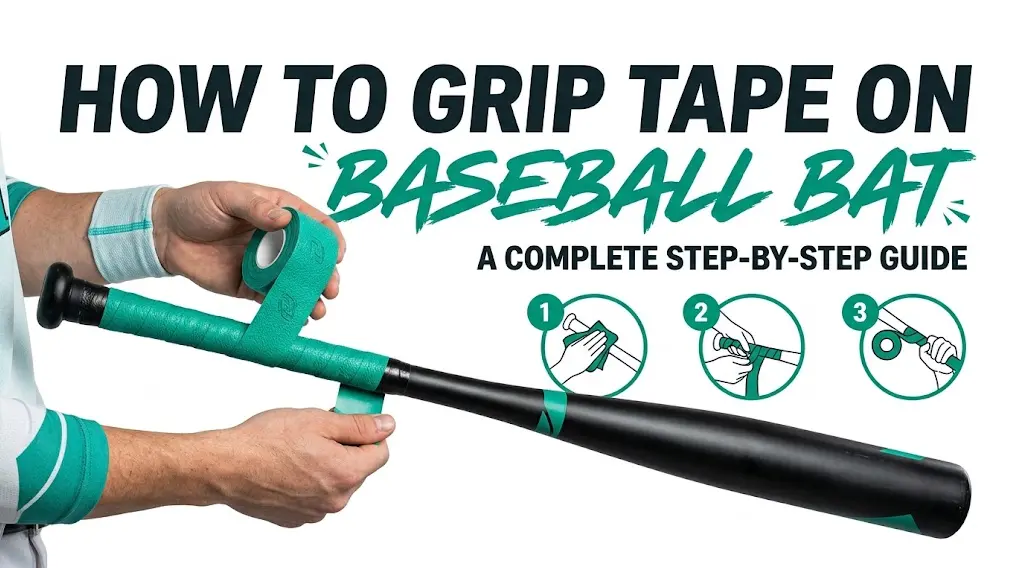
A fresh bat grip should feel even from the knob to the top edge. If the overlap is sloppy or the handle is dirty, the grip can peel, bunch, or feel bulky.
The clean install happens before the first wrap. Remove the old material, choose the right thickness, and keep the spiral steady.
Strip the handle before wrapping
Do not stack new grip over loose old tape. It creates ridges and makes the handle thicker than the player expects.
Clean off residue so the adhesive can sit flat. A smooth handle gives the new wrap a better chance to last.
Grip tape starts with a clean handle. Old adhesive, pine tar, dust, and torn grip edges create lumps under the new wrap. Remove loose material first, then wipe the handle and let it dry fully. If the knob has leftover tape ridges, smooth them before starting. A fresh wrap over a dirty handle may look acceptable for one practice, but it usually shifts once hands sweat.
When remove old grip connects with thickness, the player gets a clearer feel for whether this fix is ready. The thickness decision should not create doubt once the player leaves the house. If thickness still feels uncertain during warmups, pause the change and make one cleaner adjustment before game speed.
Pick thickness by feel
Thin grip gives more bat feedback. Mid-thickness is a balanced choice for many hitters. Thicker grip adds cushion and can reduce sting.
Color matters, but comfort matters more. A shared team bat usually needs a middle-ground feel.
Handedness affects the direction of the wrap. The grip should tighten into the player’s natural swing instead of peeling against it. Take a slow dry swing and notice which way the top hand turns through contact. If the overlap feels backwards or the edge lifts near the knob, unwrap early and correct it. Waiting until the finish strip is on makes the repair messier.
Use wrap with steady overlap as the parent or coach check before the player leaves for the field. For 0.5 mm, a neat result matters less than durability through sweat, dirt, handling, and movement. If 0.5 mm fails after one practice, revisit the material, size, or method instead of repeating the same quick fix.
Keep this short checklist nearby:
- Remove old grip
- Clean sticky residue
- Choose thickness first
- Wrap with steady overlap
- Secure the top edge
Here is Custom and Brilliantly Designed Sublimation Baseball Uniforms.
Keep overlap consistent
Start at the knob and wrap with the same overlap each turn. Uneven overlap creates raised spots that players feel during the swing.
Peel the backing gradually instead of all at once. That keeps the grip from sticking to itself.
Thickness changes more than comfort. A thin grip keeps the handle responsive for players who like feel, while a thicker grip can reduce sting and fill bigger hands. Young players sometimes choose the thickest option because it feels soft in the package, then lose bat control during swings. Test the bat with batting gloves on, because game feel is the only feel that matters.
The 1.1 mm choice turns a vague preference into a practical baseball decision. Match 1.1 mm to the player’s age, position, weather, schedule, and care routine. If 1.1 mm creates extra work before every game, the cleaner-looking option may still be the wrong one for a busy season.
Use this comparison before making the final call:
| Choice | Why it matters | Best use |
| Thickness | Feel | Best fit |
| 0.5 mm | More feedback | Advanced hitters |
| 1.1 mm | Balanced | Most players |
| 1.8 mm | More cushion | Younger hitters |
| Double wrap | Bulky | Usually avoid |
Finish the top edge carefully
The finishing tape holds the wrap in place. Stretching it too thin can make the edge lift after a few sessions.
Press the top edge down firmly, then let the player take dry swings before the bat goes into a game.
The top edge is where many wraps fail. Finish with firm pressure, smooth the final strip, and rotate the bat in both hands to check for raised corners. A loose top edge catches on batting gloves and starts peeling quickly. If the bat will be shared by a team, choose a practical color and texture that can handle repeated use instead of only choosing the loudest look.
After checking 1.8 mm, pack or store the item in the same condition the player expects next time. Keep 1.8 mm away from damp laundry, rubbing accessories, and untested last-minute changes. With wrap with steady overlap handled early, the player can focus on baseball instead of equipment noise.
Pro tip: If the hitter changes grip thickness, give them a few cage swings before game use. The handle will feel different.
Feel after installation matters more than the neatness of the spiral. Thickness, handedness, knob finish, batting gloves, and shared team use all change whether the wrap succeeds. A first-time installer should take a few dry swings before the final strip goes down. If the grip feels bulky or the edge lifts, fix it before the bat reaches the cage.
Conclusion
A good bat wrap starts with a clean handle and ends with a secure top edge. Choose thickness by feel, keep overlap even, and test the bat before game speed. The result should feel natural, not bulky.
FAQs
Can new tape go over old tape?
It can, but it usually feels bulky. Removing old tape is cleaner.
Which thickness is best?
Many players like a balanced mid-thickness grip, but younger hitters may prefer more cushion.
Why does grip tape peel?
Poor prep, uneven overlap, and stretched finishing tape are common causes.