
How to Open a Rawlings Baseball Case Without Scratching It
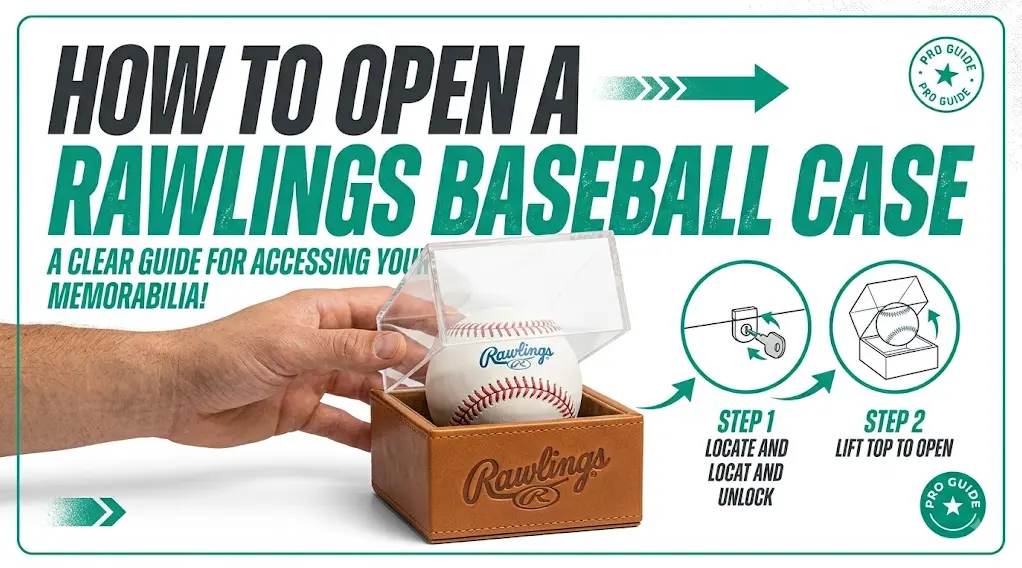
A display case is easy to damage if you treat it like a gear box. Clear acrylic can scratch, tabs can crack, and signed baseballs should be handled as little as possible.
Work slowly, find the seam or opening point, and protect the ball before you start pulling on the case.
Find the opening point first
Look for a base seam, latch, twist point, or small separation line. Do not pry randomly at the clearest panel.
If the case resists, stop. Forcing one corner can crack the plastic or leave a stress mark.
Most damage happens because someone starts prying before understanding the case. Some display cases separate at the base, some twist, and others use small tabs that are easy to miss. Turn the case slowly under good light and look for a line where two pieces meet. If a signed ball is inside, decide where your hands will go before opening so you are not handling the autograph while surprised.
When wash and dry hands connects with part, the player gets a clearer feel for whether this fix is ready. The part decision should not create doubt once the player leaves the house. If part still feels uncertain during warmups, pause the change and make one cleaner adjustment before game speed.
Keep tools away from the clear surface
Metal tools can scratch acrylic quickly. If you need leverage, use your hands first and avoid dragging anything across the panel.
Set the case on a clean towel so small grit does not scrape the bottom while you work.
A soft towel does two jobs: it protects the clear surface and keeps the case from sliding. Dust and grit can scratch acrylic even when you are using only your hands. Avoid knives, screwdrivers, and metal picks unless the product instructions clearly call for them. When a case feels stuck, change your grip and work around the seam instead of forcing one corner until it cracks.
Use avoid metal prying as the parent or coach check before the player leaves for the field. For clear panel, a neat result matters less than durability through sweat, dirt, handling, and movement. If clear panel fails after one practice, revisit the material, size, or method instead of repeating the same quick fix.
Keep this short checklist nearby:
- Wash and dry hands
- Inspect for a seam
- Use two hands
- Avoid metal prying
- Set the case on a towel
Explore Our Custom Made for You Baseball Uniforms.
Handle the baseball like a keepsake
Clean, dry hands matter, especially with signed balls or award baseballs. Oils and dirt can affect the surface over time.
If the ball is autographed, touch the blank panels as little as possible and return it to the case promptly.
Once the ball is out, treat it like the display item it is. Clean, dry hands are usually enough for ordinary baseballs, but autographed or commemorative balls deserve extra care. Hold blank panels when possible, avoid rubbing printed marks, and keep food, drinks, and wet gear away from the table. The case should be open for minutes, not hours.
The base seam choice turns a vague preference into a practical baseball decision. Match base seam to the player’s age, position, weather, schedule, and care routine. If base seam creates extra work before every game, the cleaner-looking option may still be the wrong one for a busy season.
Use this comparison before making the final call:
| Choice | Why it matters | Best use |
| Part | Risk | Safe move |
| Clear panel | Scratches | Keep tools away |
| Base seam | Opening point | Inspect closely |
| Signed ball | Smudging | Touch minimally |
| Storage shelf | Dust | Use a display-safe spot |
Store display pieces away from team gear
A display case does not belong at the bottom of a bat bag. Store it on a shelf, in a cabinet, or in a box where it will not rub against cleats and belts.
For team awards, label the case or box so it does not get mixed into everyday equipment.
Reassembly deserves the same patience as opening. Wipe dust from the inside before closing, align the base or lid evenly, and make sure the ball sits correctly before pressure is applied. If the case is for an award table, team banquet, or retail shelf, inspect it from the viewing side. Small fingerprints and crooked placement show quickly under bright light.
After checking signed ball, pack or store the item in the same condition the player expects next time. Keep signed ball away from damp laundry, rubbing accessories, and untested last-minute changes. With avoid metal prying handled early, the player can focus on baseball instead of equipment noise.
Pro tip: A case that takes two extra minutes to open is still better than a case with a cracked corner.
Display baseballs are different from field baseballs. A banquet ball, coach gift, signed keepsake, or tournament award deserves clean hands and a clear viewing surface. Keep the case away from bat bags and dusty shelves, and inspect the ball placement before closing. The goal is to make the memory easy to see without adding scratches or fingerprints.
Conclusion
Open a display case with patience, not force. Find the seam, protect the clear surface, handle the ball cleanly, and store the case away from loose gear. That keeps collectible baseballs looking presentable.
FAQs
Should you use a screwdriver?
Avoid it unless the product instructions require one. It can scratch or crack the case.
How should signed balls be handled?
Touch them minimally and keep hands clean and dry.
Where should display baseballs be stored?
Use a dry shelf or cabinet away from direct sun and loose equipment.